

wall mounted light up makeup mirror
Truss Mending Nail Plates for Wooden Villa Houses A Comprehensive Guide In the construction of wooden villa houses, one of the essential components that ensure structural integrity and longevity is the use of truss mending nail plates. These metal plates play a crucial role in reinforcing the connections between various wooden elements, providing the necessary strength and stability to withstand various environmental challenges. In this article, we will explore what truss mending nail plates are, their benefits, applications, and best practices for using them in wooden villa construction. What are Truss Mending Nail Plates? Truss mending nail plates are typically made of galvanized steel or other high-strength materials, designed to enhance the structural performance of wooden trusses. These plates, often shaped like thin sheets with pre-drilled holes or spikes, are affixed to the surfaces of wooden members using nails or screws. The primary function of these plates is to distribute loads effectively across the wood surface, ensuring a more stable connection between truss components such as rafters and chords. Benefits of Using Mending Nail Plates 1. Enhanced Structural Integrity Truss mending nail plates significantly increase the load-bearing capacity of wooden structures. By distributing stress over a larger area, they help prevent failures at the joints, which are often the weakest points in wooden constructions. 2. Ease of Installation With pre-drilled holes, mending nail plates can be easily installed using standard nails or screws. This simplicity in application makes them an attractive option for builders looking for efficient ways to reinforce wooden structures. 3. Cost-Effectiveness Compared to other reinforcement methods, such as additional framing or more complex steel connectors, mending nail plates are relatively inexpensive. This affordability makes them a popular choice among contractors focusing on budget-friendly construction practices. 4. Durability Made from weather-resistant materials, these plates can withstand various environmental conditions, including moisture and temperature fluctuations, ensuring that the structural integrity of the villa remains intact over time. 5. Aesthetic Versatility Mending nail plates can be used in various architectural designs without compromising the visual appeal of the wooden villa . They can be concealed within the frame or incorporated into the design, depending on the desired aesthetic. truss mending nail plate for wood villa house Applications in Wooden Villa Construction In wooden villa houses, truss mending nail plates are commonly used for connecting various truss components. Whether reinforcing roof trusses or framing for walls, these plates can enhance the robustness of the entire structure. Some typical applications include - Roof Trusses Connecting rafters to the top chord or supporting beams ensures the roof can bear heavy loads, such as snow or additional structural weight. - Floor Joists Providing additional support at the junctions where joists meet beams, helping to eliminate potential bouncing or flexing. - Wall Framing Strengthening the connections at the corners and intersections of wall studs, which is vital for the overall stability of the house. Best Practices for Using Truss Mending Nail Plates 1. Proper Sizing Ensure that the nail plates used are appropriately sized for the wooden elements they will be reinforcing. The right dimensions help optimize strength without adding unnecessary weight. 2. Correct Installation Technique Follow manufacturers’ guidelines for installing the plates, such as spacing, type of fasteners, and the number of nails or screws required. Improper installation can negate the benefits these plates offer. 3. Periodic Inspections After construction, it is recommended to perform periodic inspections of the nail plates and their connections. Identifying and addressing potential issues early can prevent severe structural problems down the line. 4. Combine with Other Reinforcement Methods While mending nail plates are highly effective, their use can be complemented with other reinforcement techniques to create a more robust overall structure. Conclusion Truss mending nail plates are invaluable tools in the construction of wooden villa houses. They provide enhanced structural integrity, ease of installation, and cost-effectiveness, making them essential for any builder or architect specializing in wooden structures. By understanding their benefits and applications, and adhering to best practices, builders can ensure that their wooden villas are not only beautiful but also remarkably sturdy and capable of standing the test of time. Embracing these components can lead to more durable and safe homes, ensuring that families enjoy their wooden havens for generations to come.
about
wall mounted light up makeup mirror
Understanding Pilot Controlled Check Valves In the realm of hydraulic systems, pilot controlled check valves play a crucial role in the management and control of fluid flow. Understanding their functionality, design, and applications is essential for engineers, technicians, and anyone involved in fluid power systems. What is a Pilot Controlled Check Valve? A pilot controlled check valve is a type of check valve that allows fluid to flow in one direction while preventing reverse flow under certain conditions. Unlike standard check valves that rely solely on pressure differentials for operation, pilot controlled check valves use a pilot pressure to enable or disable the valve, thus providing more control over the flow characteristics. How Do They Work? The primary function of a pilot controlled check valve is to prevent backflow while allowing forward flow. This operation is divided into two main modes free flow mode and checked flow mode. 1. Free Flow Mode When fluid flows in the intended direction, the valve opens, allowing unrestricted passage. This is achieved by the pilot pressure applied to the valve's control port. The pilot pressure overcomes the spring force keeping the valve closed, effectively allowing fluid to move freely. 2. Checked Flow Mode When there is a potential for reverse flow, the pilot pressure is removed. The internal spring then closes the valve, preventing backflow. This feature is essential in applications where reverse flow could damage components or disrupt system operations. Design Features Pilot controlled check valves are typically compact and are designed to withstand high pressures and temperatures. They are available in various configurations, including cartridge-style, inline, and manifold types to suit different applications. Key design features include - Pilot Port A dedicated port that allows the application of pilot pressure to control the valve. - Spring Mechanism A spring that holds the valve closed when not actuated by pilot pressure. - Seals and Materials High-quality seals and materials are used to ensure longevity and reliability, especially in harsh environments. pilot controlled check valve Applications Pilot controlled check valves are ubiquitous in hydraulic systems and find applications across various industries 1. Construction Equipment In hydraulic excavators and backhoes, these valves help in controlling the movement of hydraulic cylinders, ensuring that they do not drift when not in use. 2. Industrial Machinery In presses and other machines requiring precise control of hydraulic actuators, these valves provide the needed safety against backflow, thereby enhancing operational stability. 3. Mobile Equipment Applications in forklifts and aerial lifts benefit from these valves, ensuring that mechanical movements happen in a controlled manner, providing additional safety and efficiency. 4. Agricultural Equipment The reliable operation of hydraulic systems in tractors and harvesters makes pilot controlled check valves essential for effective soil and crop management. Advantages The use of pilot controlled check valves offers multiple advantages - Enhanced Control They provide better control over hydraulic flow, allowing for improved functionality of machines and equipment. - Increase Safety By preventing backflow, these valves help eliminate the risk of hydraulic component failure, thereby enhancing safety. - Efficiency The ability to control flow direction ensures that hydraulic systems operate efficiently, with reduced energy consumption. Conclusion Pilot controlled check valves are an integral part of modern hydraulic systems, delivering safety, efficiency, and control. Their distinct ability to prevent backflow while allowing for controlled forward flow makes them invaluable in a wide range of applications across various industries. As hydraulic technology continues to evolve, the importance of understanding and effectively utilizing pilot controlled check valves will only grow, ensuring that systems are safe, efficient, and reliable. Whether in construction, manufacturing, or agriculture, these valves remain a crucial component in the design and operation of hydraulic systems.
-

High quality industrial productsagement

High quality industrial products
View Details -

Meet the diverse needs of customers

Meet the diverse needs of customers
View Details -

Strict quality control

Strict quality control
View Details -

Top raw materials

Top raw materials
View Details -

Trusted supplier

Trusted supplier
View Details
Our application
news and information
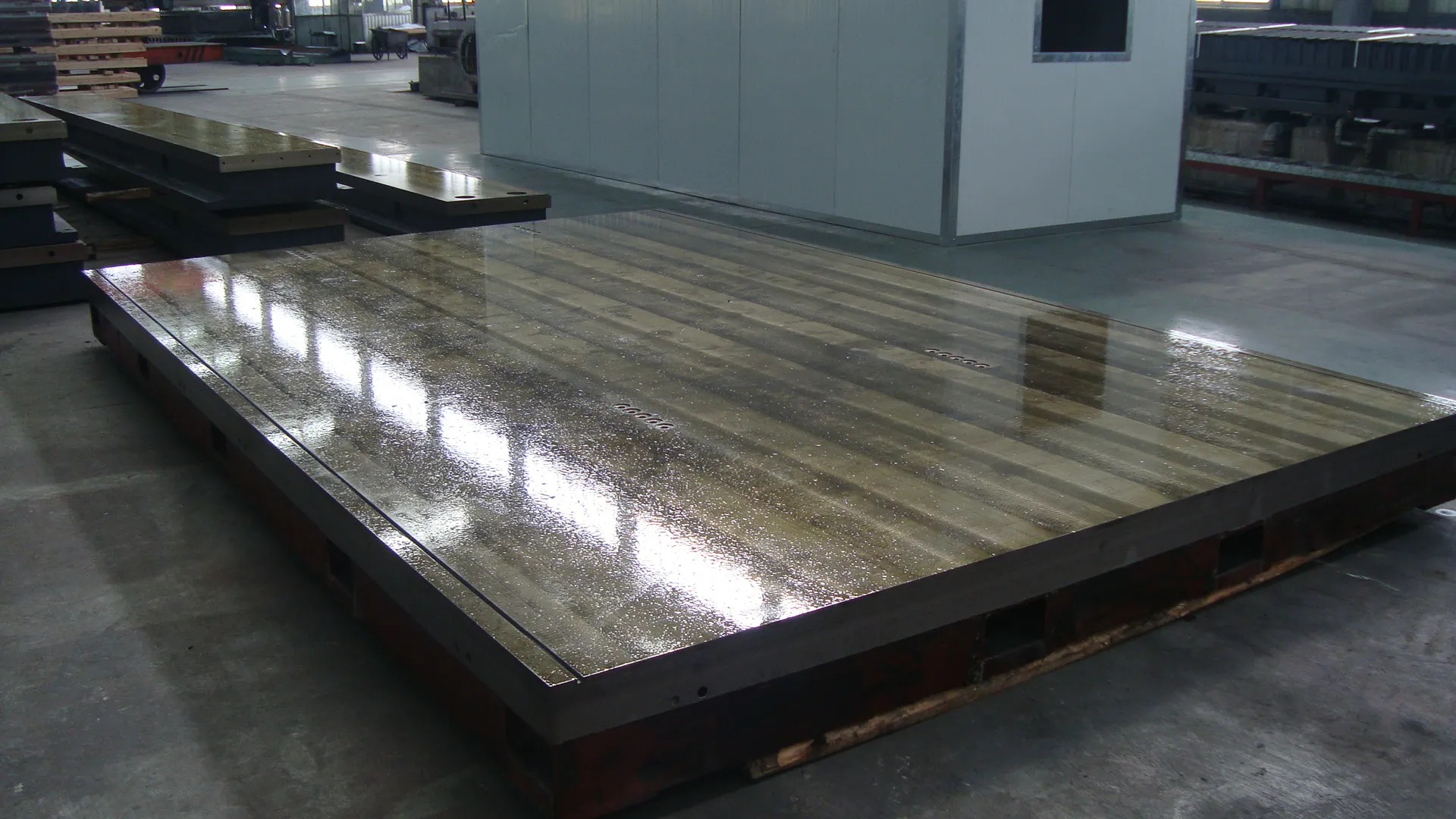
Utilização de réguas paralelas
Uso do Régua Paralela Uma Ferramenta Essencial para Precisão em Desenhos e Projetos O uso da régua p
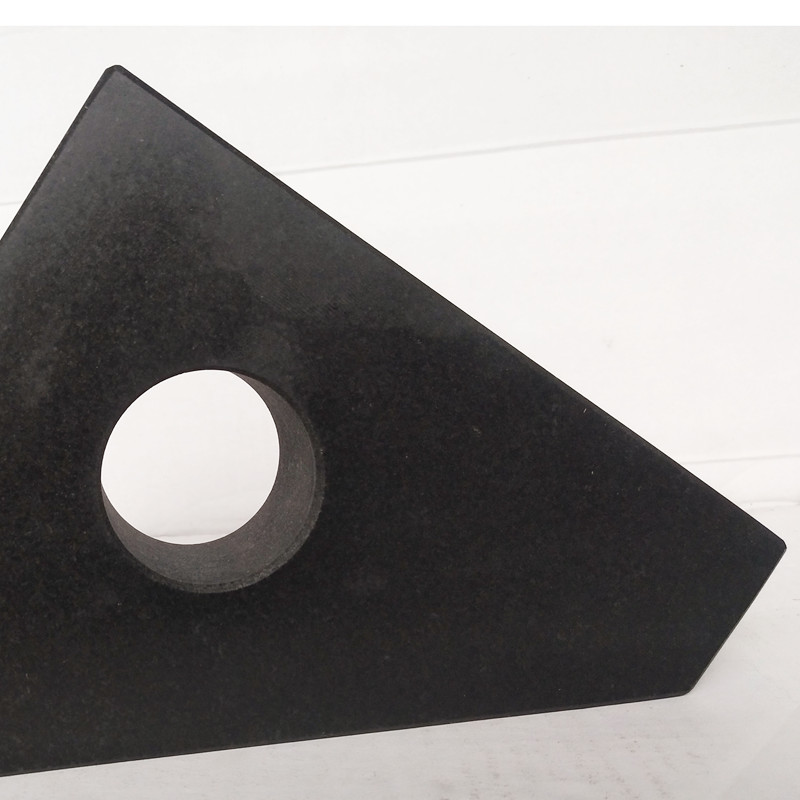
Vanne à bille de 6 pouces pour des applications industrielles fiables et efficaces
La valve à clapet à bille de 6% La valve à clapet à bille, souvent désignée sous l'appellation de va
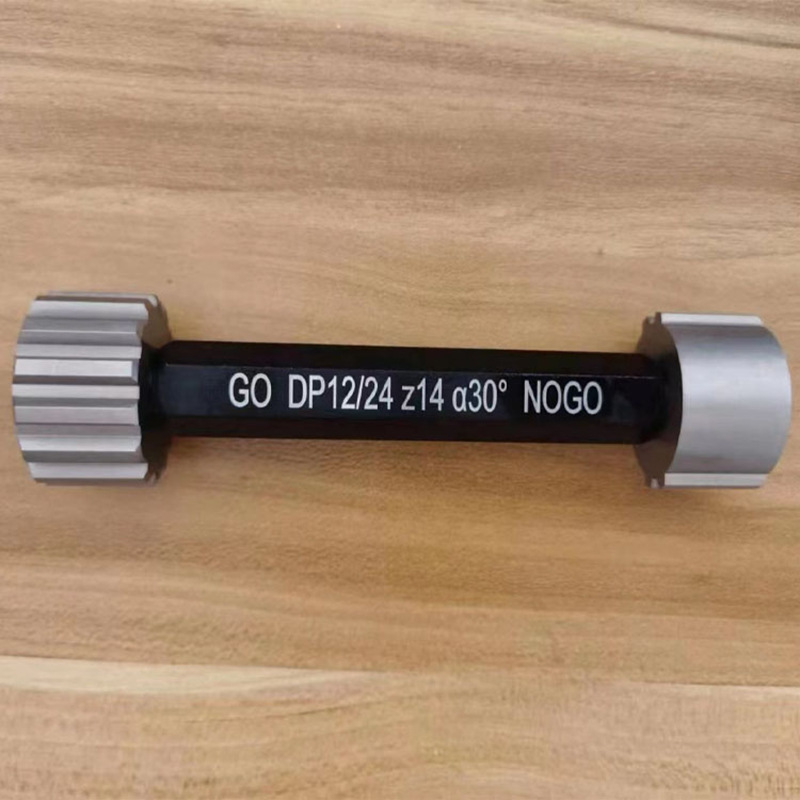
Water Valve Emergency Shutoff Procedure for Residential Systems
water valve shut off .
 English